
When you go to an orthodontist for misaligned teeth, the most important thing is knowing what is happening inside your mouth. Traditionally, this meant dental impressions, photographs, and X-rays.
Today, an intraoral scanner can give your orthodontist a clear 3D picture of your teeth in just a few minutes. Misaligned or crooked teeth can affect more than the appearance of your smile and may also influence how your teeth come together.
What Is an Intraoral Scanner?
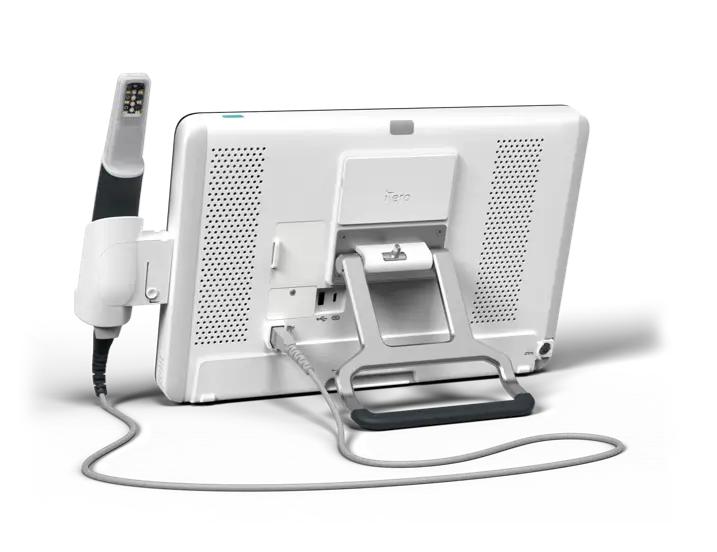
An intraoral scanner is a small handheld tool used for the creation of a digital image of your teeth and gums. In other words, this is like a small camera that creates a detailed image of your oral cavity without any impressions.
While scanning, the tool moves inside your mouth and takes multiple images. Then it combines these images in order to create a 3D image of your mouth. This process is referred to as 3D intraoral scanning.
The final 3D image that is created is often referred to as the digital orthodontic model. It is an essential component of digital dentistry. These can help us to plan your orthodontic treatment more clearly.
How Digital Scanners Improve Orthodontic Diagnosis
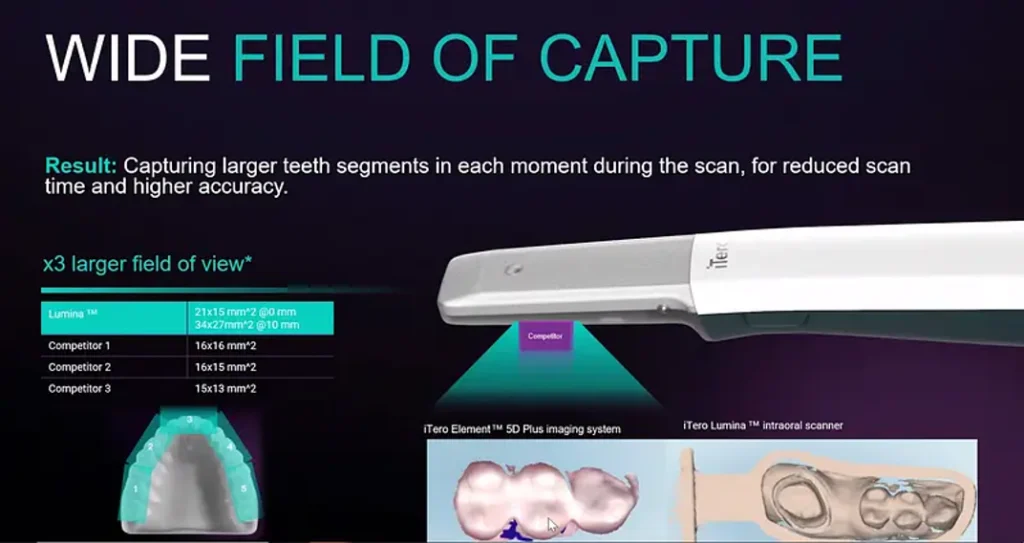
A digital scan gives us a much clearer way to look at your teeth when we are checking for an orthodontic problem. We can view the 3D model on a screen, turn it around, and zoom in whenever we need a closer look. This helps us to know more about your teeth and jaws before starting any treatment.
For example, we can use the scan to:
- Know exactly how your teeth are positioned
- Know the bite
- Understand the shapes of your arches
- Keep a record of your teeth and their changes throughout the treatment
The scan can also be compared to your images in a more complete way.
“It is important to understand that digital scans do not replace other dental examinations like X-rays when they are needed. It is just a digital tool that helps us to understand your teeth better.”
– Dr Arun Nayak, M.D.S. Orthodontics
What Role Does Digital Technology Play in Orthodontics?
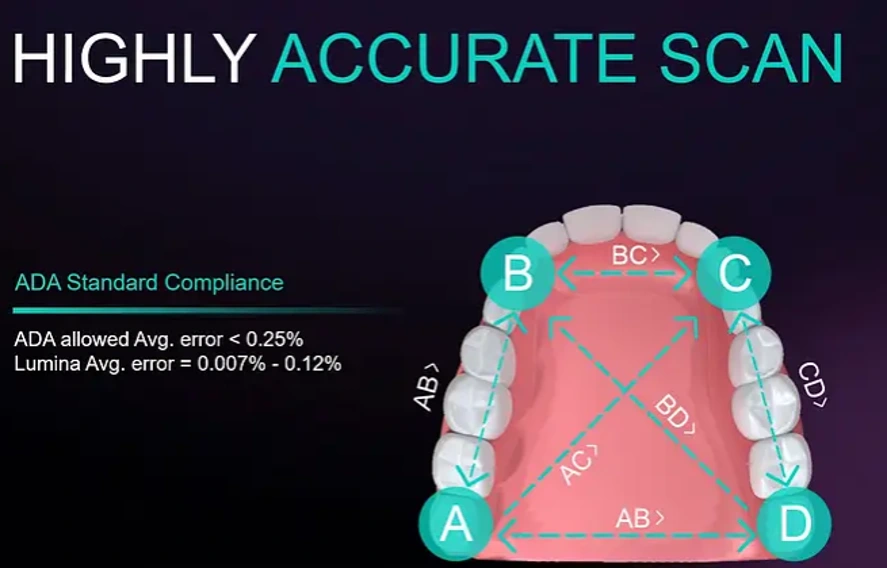
Digital Technology is becoming a useful tool in orthodontics. It helps us analyse dental records, understand tooth movement and plan treatment quickly.
Key Roles in Orthodontics:
- Diagnosis: It can scan X-rays, photos, and 3D models in order to recognise teeth, crowding, spacing, and misalignment issues.
- Preview of treatment: It can make a digital simulation in order for you to see how your teeth look after the treatment.
- Progress monitoring of treatment: It can compare your new scans or photos with previous records and help us to monitor changes during the process of treatment.
Digital treatment planning can be particularly useful when orthodontic concerns such as dental crowding need to be assessed before treatment.
Benefits of digital scanning in orthodontics
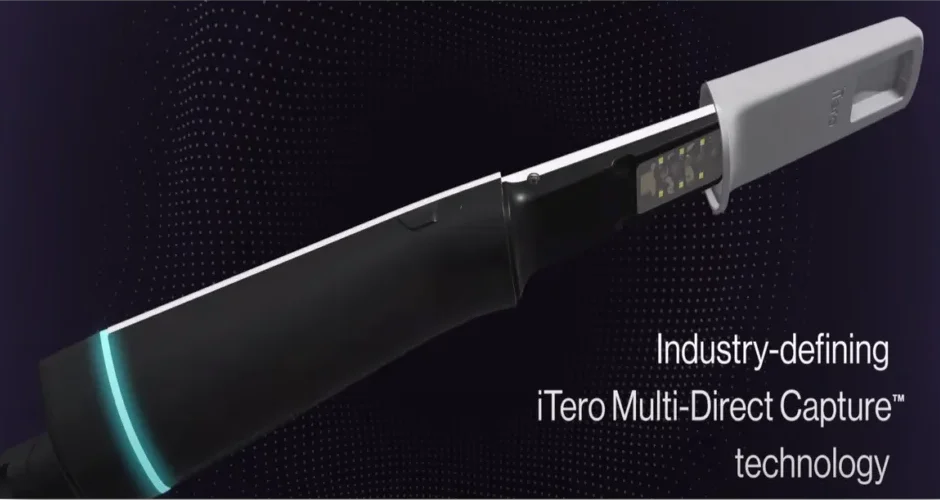
Benefits of digital scanning in orthodontics are as below:
- Comfort: Digital scanning can be more comfortable compared to conventional impressions, particularly for those patients who have a gag reflex.
- Easy accessibility: We can store your digital data securely and access it without physical models of your teeth.
- Simple comparison: We can keep your old scans and compare them to new ones while checking you up.
- Patient understanding: Having the 3D model of your teeth may make it easier for you to understand what your orthodontist explains to you.
- Individualised treatment: Additional data provided by digital technologies can be useful for us when creating your personalised treatment plan.
With Updated Features & Ease of Convenience
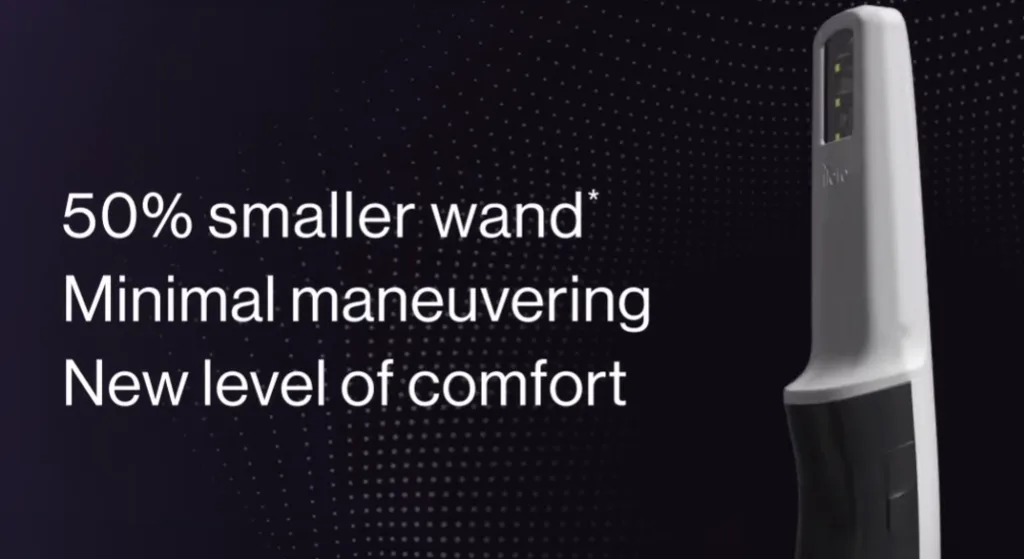
We can scan effortlessly at 2x the speed with an exceptionally wide field of view and capture distance, enabling minimal maneuvering that sets a new level of ergonomics and comfort. Plus, it creates superior patient engagement and motivation with exceptional 3D model quality across all visualisations and simulations.It will eliminate the need for additional photo-taking from your workflow.
Traditional Dental Impressions vs. Digital Intraoral Scanning
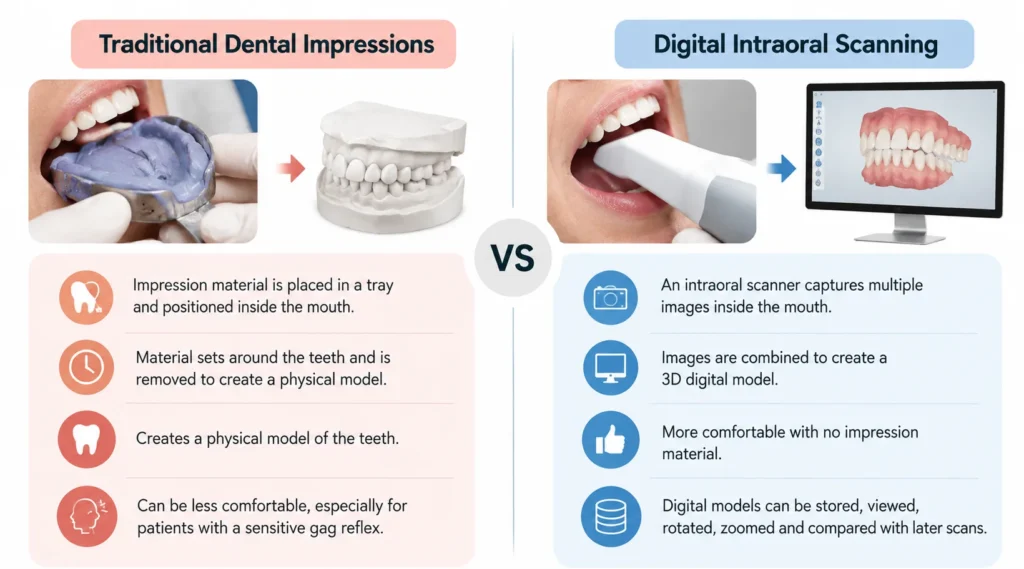
Traditional dental impressions are used for many years to create a model of a patient’s teeth. In this process, impression material is placed in a tray and then positioned inside the mouth. The material then sets around the teeth and then is removed to create a physical model.
Digital intraoral scanning are a more modern way of creating a detailed record of the patients teeth and gums. Instead of using impression material, an intraoral scanner captures multiple images inside the mouth and combines them to create a 3D digital model.
For many patients, digital scanning can be more comfortable because there is no need to place impression material over the teeth.
Research reviewing the clinical use of digital 3D intraoral scanning in orthodontics has also evaluated factors such as patient comfort, scanning time, reproducibility, and accuracy. It can also make the process easier for patients who have a sensitive gag reflex.
Another big advantage is that digital models can be stored electronically and accessed when needed. The orthodontist can also view the model on a screen, rotate it, zoom in on specific areas, and compare it with later scans.
However, digital scanning does not completely replace traditional impressions in every situation. The method used depends on the type of treatment, the equipment available, and the orthodontist’s clinical requirements. Intraoral scanning is a useful tool that can make orthodontic diagnosis and treatment planning more convenient.
How Intraoral Scans Are Used During Orthodontic Treatment
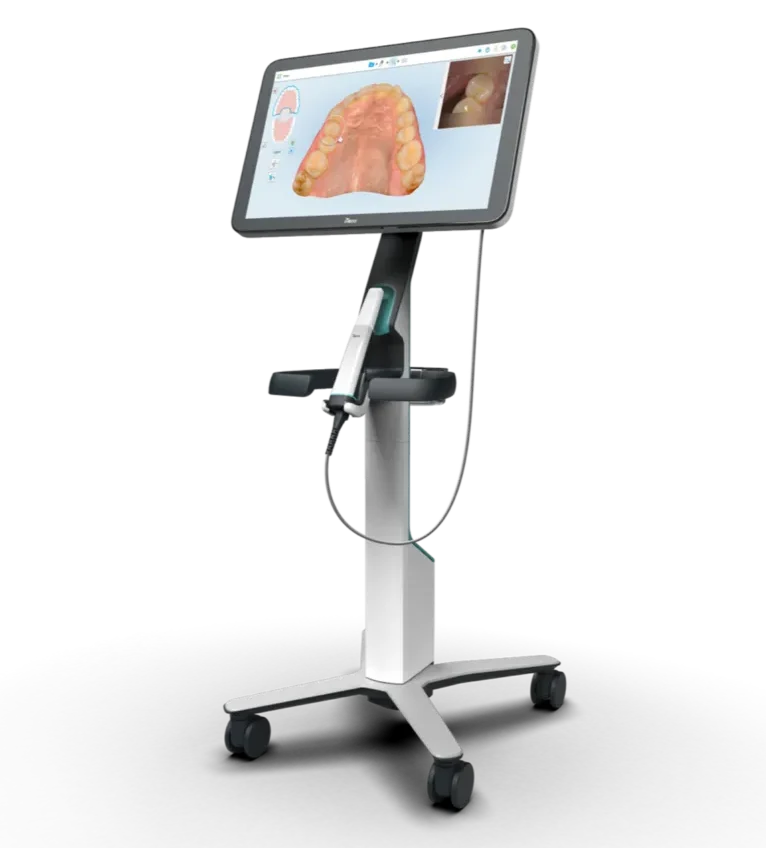
An intraoral scan can be useful not just at the beginning of orthodontic treatment but also at different stages of the treatment process. It provides a digital record that can be reviewed and compared as the teeth gradually move.
At the beginning of treatment, the orthodontist can use the 3D scan to understand the position of the teeth, the shape of the dental arches, and the patient’s bite.
This information can be considered along with photographs, X-rays, and clinical examination when creating an orthodontic treatment plan for patients. Depending on the patient’s needs, digital records can also be used alongside treatment planning for different types of braces.
During treatment, new scans can be taken to monitor changes in the position of the teeth. The orthodontist can compare the new scan with the original digital model to understand how treatment is progressing.
This allows the digital records to become part of the overall orthodontics treatment journey, from the initial assessment through to the final result.
Digital scans can also be useful when planning clear aligner treatment. The 3D model can be used as part of the digital treatment-planning process to help determine how the teeth may need to move.
These digital models can also form part of the Invisalign treatment planning process, where tooth movement is assessed before the aligners are made.
At the end of treatment, another scan may be taken to assess the final position of the teeth and create a record for future comparison. This can also be useful when planning retainers to help maintain the results of orthodontic treatment.
In this way, intraoral scanning can provide a digital record throughout the orthodontic journey, from the initial assessment to treatment monitoring and final evaluation.
What Does the Future of Digital Orthodontics Look Like?
The future of orthodontics is likely to be more digital, i.e. 3D teeth scanning and treatment simulation.
Technologies such as Invisalign and iTero are already part of this changing landscape.
As these tools develop, orthodontists may be able to analyse more information in less time and create treatment plans that are increasingly tailored to each patient.
What This Means for Patients
For patients, digital orthodontics may mean no messy impressions, shorter scanning time, and easier follow-up records. Your orthodontist can also show you your scans on a screen during your visit, so you can see what they are checking instead of only hearing an explanation. The technology is there to make your orthodontic visits simpler and more convenient.
How India’s Best Orthodontist Uses Intraoral Scanners and Digital Technology in Orthodontics
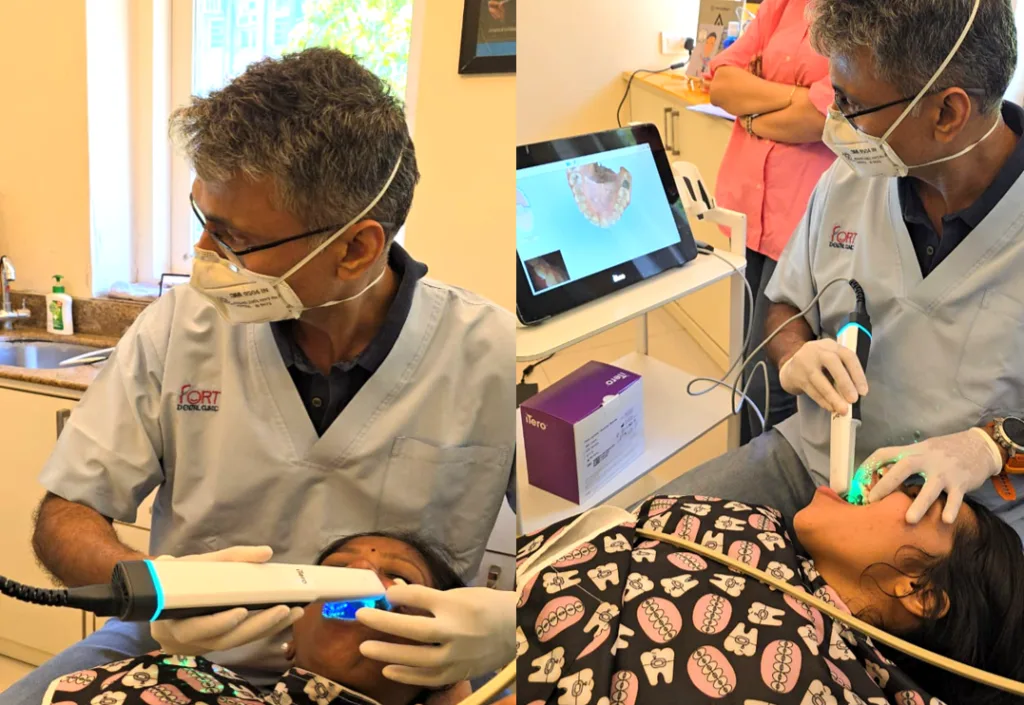
At Fort Dental Clinic in South Mumbai, Dr Arun Nayak uses digital orthodontic technology as part of patient assessment and treatment planning. An intraoral scanner can create a 3D record of your teeth, which can be reviewed along with photographs, X-rays, and clinical findings. This gives Dr Arun Nayak a clearer picture of each case and helps him explain treatment options to patients in a simple, visual way.
Conclusion
Orthodontic care is increasingly embracing digital technology, but the fundamental goal remains unchanged: achieving a healthy, functional, and well-aligned smile. Intraoral scanners offer a precise and convenient way to capture digital records, making them easier to visualise, assess, and monitor throughout treatment. By providing detailed information at each stage, these technologies can support more efficient diagnosis and treatment planning while allowing orthodontic care to remain tailored to each patient’s individual needs.
FAQs
Intraoral scanners can provide clinically useful 3D digital models for orthodontic assessment and treatment planning. However, accuracy can vary depending on the scanner, scanning technique, and the area being scanned. Your orthodontist may use the digital scan together with photographs, X-rays, and clinical examination to obtain a more complete assessment.
Digital intraoral scans can offer several advantages over traditional impressions, including greater patient comfort, easier digital storage, and the ability to view the teeth as a 3D model. However, the choice between digital scanning and conventional impressions depends on the clinical situation, equipment, and orthodontist’s requirements.
The time required for an intraoral scan can vary depending on the scanner, the area being scanned, and the patient’s individual circumstances. Modern scanners can capture the teeth relatively quickly, allowing a digital 3D model to be created during the appointment.
An intraoral scan provides a 3D digital model of the current position of the teeth. This model can be incorporated into digital treatment-planning software that may allow the orthodontist to simulate potential tooth movements and show patients a possible treatment outcome. A simulation is not a guarantee of the final result.
Yes. Intraoral scans can be used to create a digital model of the teeth that forms part of the planning process for clear aligner treatment, including Invisalign. The orthodontist can use the digital records to assess tooth position and plan the movements required during treatment.

BDS, MDS – Orthodontics & Dentofacial Orthopaedics
Chief Orthodontist, Fort Dental Clinic, Mumbai
Dr. Arun Nayak is a leading orthodontist in Mumbai with 20+ years of experience in braces, aligners, and advanced bite correction. As the founder of Fort Dental Clinic, he is known for delivering personalized, technology-driven orthodontic care with a focus on precision and patient comfort.